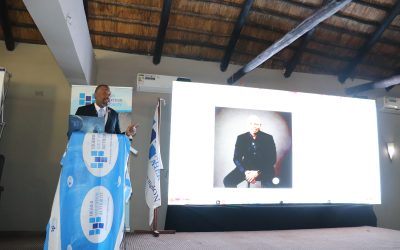
HEA Moves to Index All Students in Historic Reform
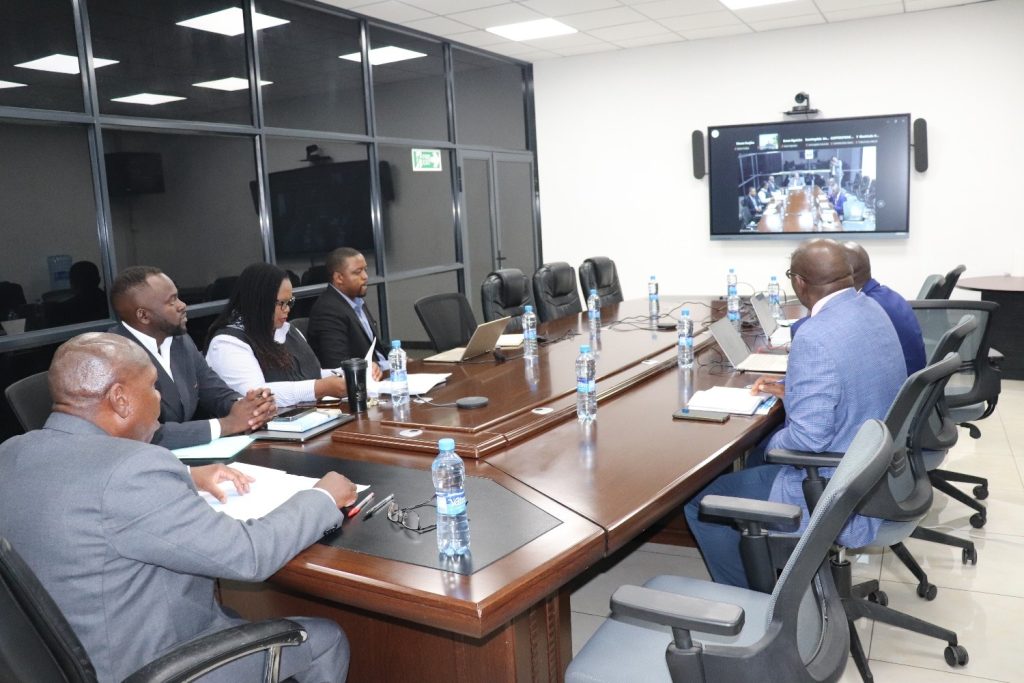
The Higher Education Authority (HEA) has announced a major policy shift that will see all students in Higher Education Institutions (HEIs) indexed under a centralised national database, marking one of the most significant reforms in Zambia’s higher education subsector.
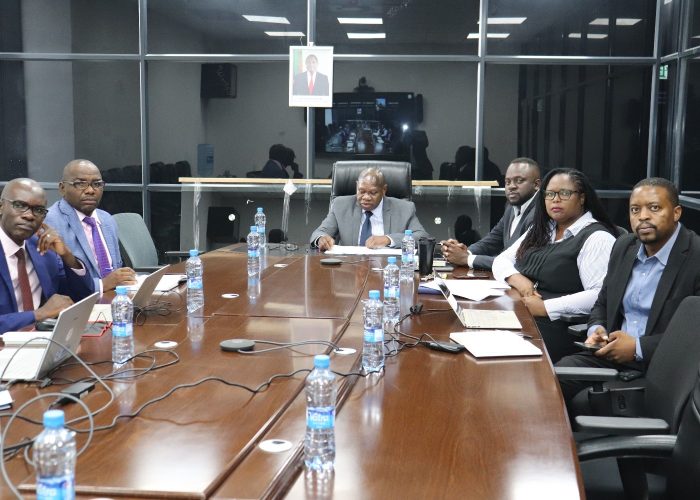
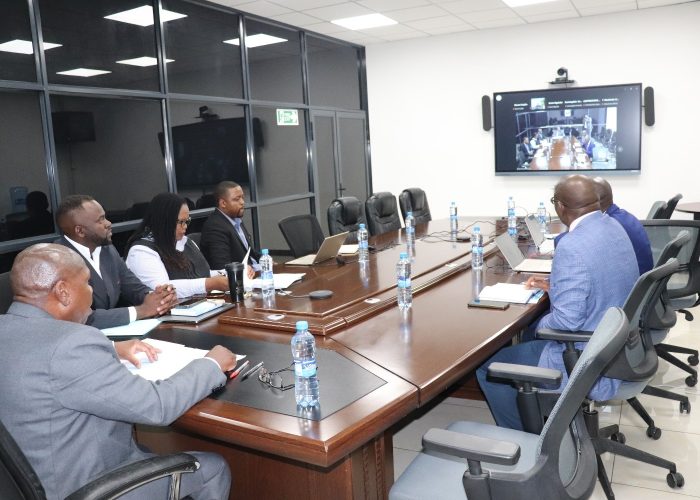
This directive was delivered by HEA Director-General, Professor Kazhila C. Chinsembu, during a virtual meeting held on Wednesday, 25th March, 2026, with Principal Officers from over 65 HEIs across the country, including Vice-Chancellors, Registrars, Bursars, Librarians and Deans of Students, as defined under the Higher Education Act, 2013.
Also in attendance were journalists recently trained by HEA, signalling the growing visibility and impact of the Authority’s media engagement efforts.
Grounding the reform in law, Professor Chinsembu stated that the Higher Education (Amendment) Act, 2021, mandates the Authority to create a national student database, through which every student will be assigned an index number.
“Our goal is to prevent the notion of ghost students,” he said, emphasising that beyond compliance, the reform is about restoring integrity, traceability and confidence in the higher education system.
He explained that the database will ensure that even in cases where institutions are closed or deregistered, student records remain secure, verifiable and transferable, protecting learners from academic uncertainty.
But beyond safeguarding records, the Director-General positioned the database as a national planning tool.
“The national student database represents the most critical primordial step in developing our national human resource plan,” Professor Chinsembu stated.
By capturing enrolment trends across disciplines, the system will allow Zambia to measure whether it is producing too many or too few graduates in specific fields, addressing long-standing skills mismatches in the economy.
“Without accurate student data, it is difficult to design policies that balance the production of graduates with the actual needs of the labour market,” he said.
In a striking reflection of this imbalance, the Director-General noted that it is increasingly becoming easier to produce medical doctors than plumbers, highlighting the urgent need for data-driven interventions.
At the heart of the reform is a shift from assumption to precision.
“Data are the winds beneath our wings,” Professor Chinsembu said. “With data, we gain the power to diagnose problems in our system of higher education, measure progress and design solutions that truly work for our country.”
HEIs have been directed to submit accurate and complete student data by 30th April, 2026, with the Authority warning that failure to comply will attract serious sanctions.
“Timely provision of accurate and complete student data is not merely an administrative obligation, but a statutory requirement that underpins effective regulation, quality assurance, and national planning,” he emphasised.
With this move, HEA is not simply collecting data, it is building a national skills intelligence system, one that will shape how Zambia plans, produces and deploys its human capital for a 24/7 economy.
#HigherEducationZambia #HEAZambia
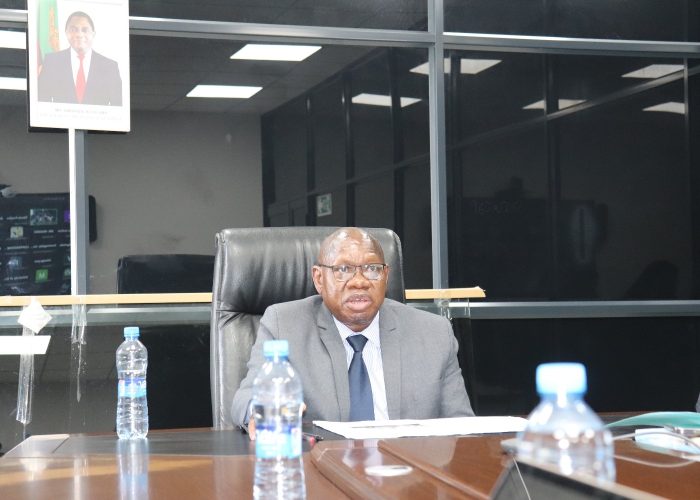
Professor Chinsembu
————————————————————
📍 Stay informed. Stay connected. Stay empowered.
Take the National Graduate Survey! https://hea.org.zm/nationalgraduatesurvey/
#NGS2025 #NationalGraduateSurvey
📚 Read all HEA News here: https://hea.org.zm/hea-news/
📲 Join the HEA WhatsApp Channel here:
https://whatsapp.com/channel/0029VasVJip7oQhXnhbaOB2I
📲 Follow the Higher Education Authority (HEA) on Instagram, Facebook, Twitter, LinkedIn, and YouTube (@HEAZambia) and join the conversation using #HEAZambia #HigherEducationZambia.
🌐 Visit www.hea.org.zm for all higher education updates in Zambia.
📌 Higher Education Authority (HEA) │ 2nd Floor, Engineering House │ Stand No. 2374, Kelvin Siwale Road │ P.O. Box 50795, Ridgeway, Lusaka │ +260 976 936 658│ info@hea.org.zm │ www.hea.org.zm