HEA Honours the Memory of Mr. Thabani Sakala: A Legacy of Respect and Loyalty to Duty
As the year draws to a close, the Higher Education Authority (HEA) took time to pause, reflect, and intentionally reset, recognising that institutional success is sustained not only by outputs and milestones, but by the wellbeing of the people who deliver them.
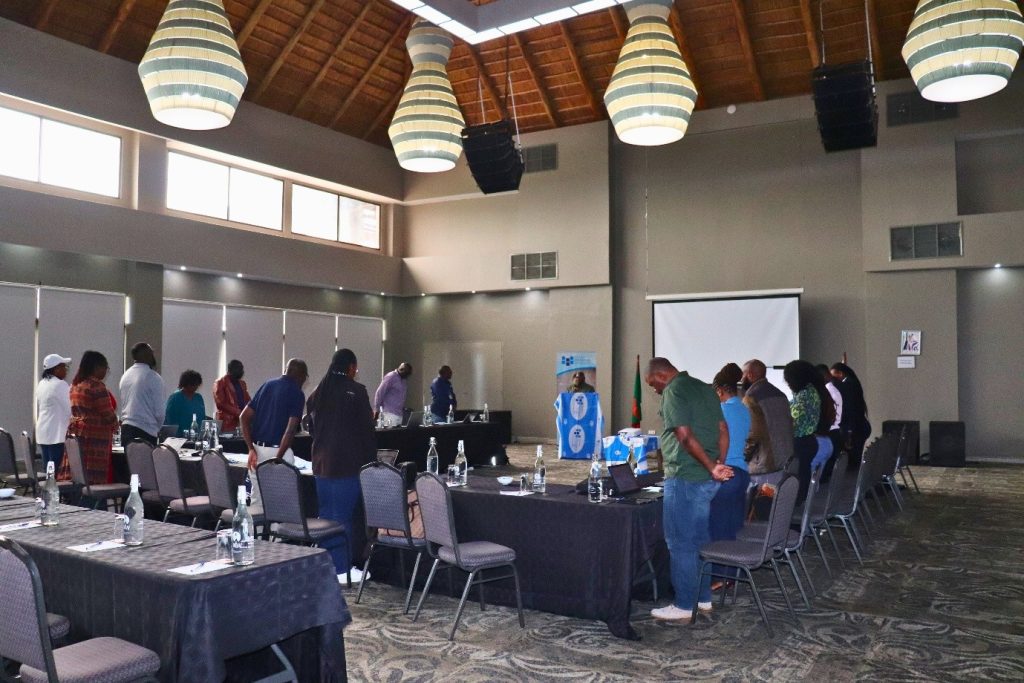
This focus on staff welfare and mental health formed a key pillar of the HEA 2025 End of Year Staff Meeting, held from 22nd to 23rd December, 2025, at Legacy Resort. The meeting came at the end of a demanding yet successful year for the Authority, marked by major undertakings including the inaugural Higher Education Indaba 2025, the National Graduate Survey, regulatory reforms, and strengthened stakeholder engagement across the higher education sector.
Against this backdrop of achievement, HEA deliberately created space for reflection, renewal, and learning, acknowledging the importance of mental resilience as the institution prepares for an even more ambitious year ahead.
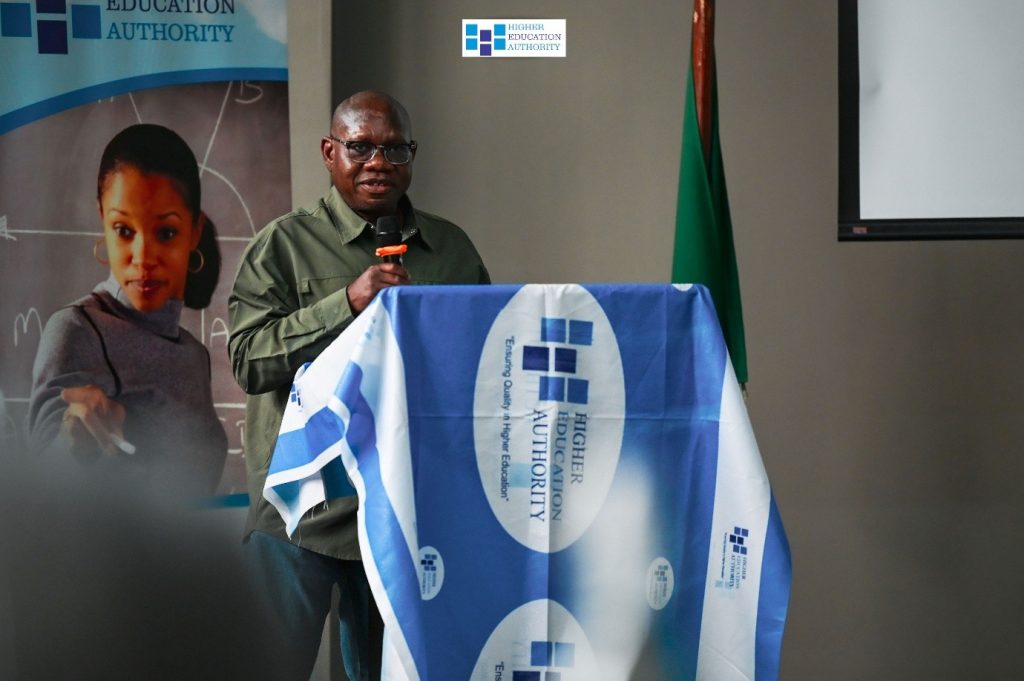
A dedicated mental health session was facilitated by Dr. Clinton Kadochi, a Corporate Wellness Consultant and Mental Health Practitioner, who is also a Postgraduate Researcher and Clinical Neuropsychologist at the University Teaching Hospital (UTH). His session contextualised mental health within modern work environments, particularly in the aftermath of the COVID-19 pandemic.
Dr. Kadochi highlighted that globally, depression and anxiety disorders increased significantly during and after the pandemic, with workplaces experiencing rising levels of burnout, emotional exhaustion, reduced productivity, and declining morale. He emphasised that mental health is not only a personal concern, but a workforce performance and institutional sustainability issue.
Importantly, the session reframed stress, not as an enemy, but as a natural biological response designed to enhance focus and performance. However, stress becomes harmful when it is prolonged, unmanaged, and unresolved. Many individuals experience continuous triggers without completing the recovery phase of the stress cycle, leading to accumulated strain over time.
The session underscored practical approaches institutions can adopt to support staff wellbeing, including promoting psychological safety, encouraging regular breaks, normalising conversations around mental health, supporting physical movement, and recognising the importance of recovery time. Dr. Kadochi also introduced the concept of work–life integration, noting that different life seasons require flexibility, boundary-setting, and intentional transitions—rather than rigid notions of balance.
As HEA looks ahead, the lessons from this engagement reaffirm the Authority’s commitment to caring for its staff as whole persons. By embedding mental health awareness into its organisational culture, HEA is positioning itself for sustained excellence, recognising that a healthy, supported workforce is essential to delivering quality higher education regulation and oversight.
With renewed focus, clarity, and collective resolve, HEA enters the coming year refreshed, strengthened, and ready to build on the gains of 2025.
#HigherEducationZambia #HEAZambia
————————————————————
📍 Stay informed. Stay connected. Stay empowered.
Take the National Graduate Survey! https://hea.org.zm/nationalgraduatesurvey/
#NGS2025 #NationalGraduateSurvey
📚 Read all HEA News here: https://hea.org.zm/hea-news/
📲 Join the HEA WhatsApp Channel here:
https://whatsapp.com/channel/0029VasVJip7oQhXnhbaOB2I
📲 Follow the Higher Education Authority (HEA) on Instagram, Facebook, Twitter, LinkedIn, and YouTube (@HEAZambia) and join the conversation using #HEAZambia #HigherEducationZambia.
🌐 Visit www.hea.org.zm for all higher education updates in Zambia.
📌 Higher Education Authority (HEA) │ 2nd Floor, Engineering House │ Stand No. 2374, Kelvin Siwale Road │ P.O. Box 50795, Ridgeway, Lusaka │ +260 211 227 084 │ info@hea.org.zm│ www.hea.org.zm