“With Over 200 HEIs and Thousands of Graduates, Zambia Still Struggles” – HEA Calls for Urgent Reform
The Higher Education Authority (HEA) has urged Higher Education Institutions (HEIs) to rethink their approach to quality assurance, describing it as the missing link between Zambia’s rapidly expanding academic infrastructure and its slow economic transformation.
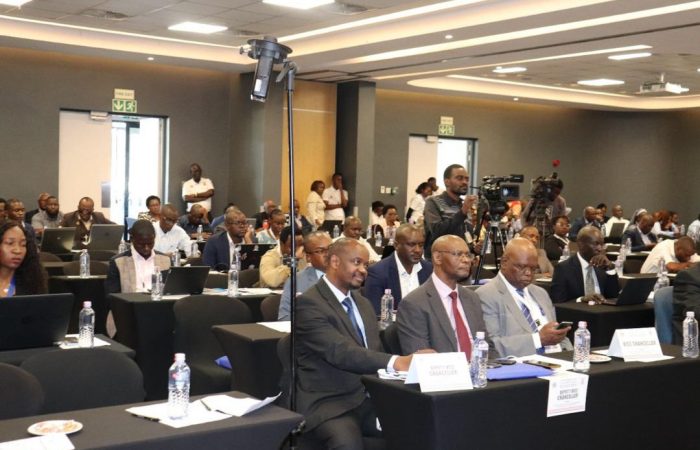
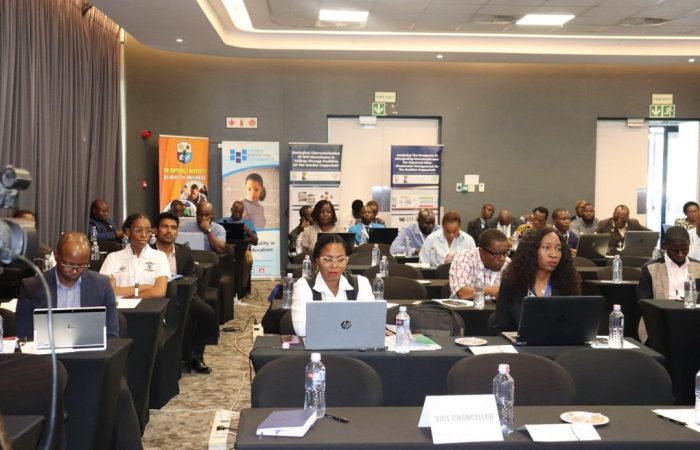
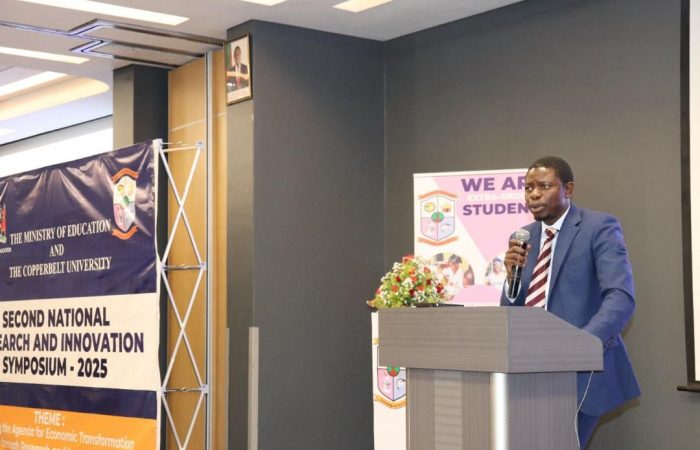
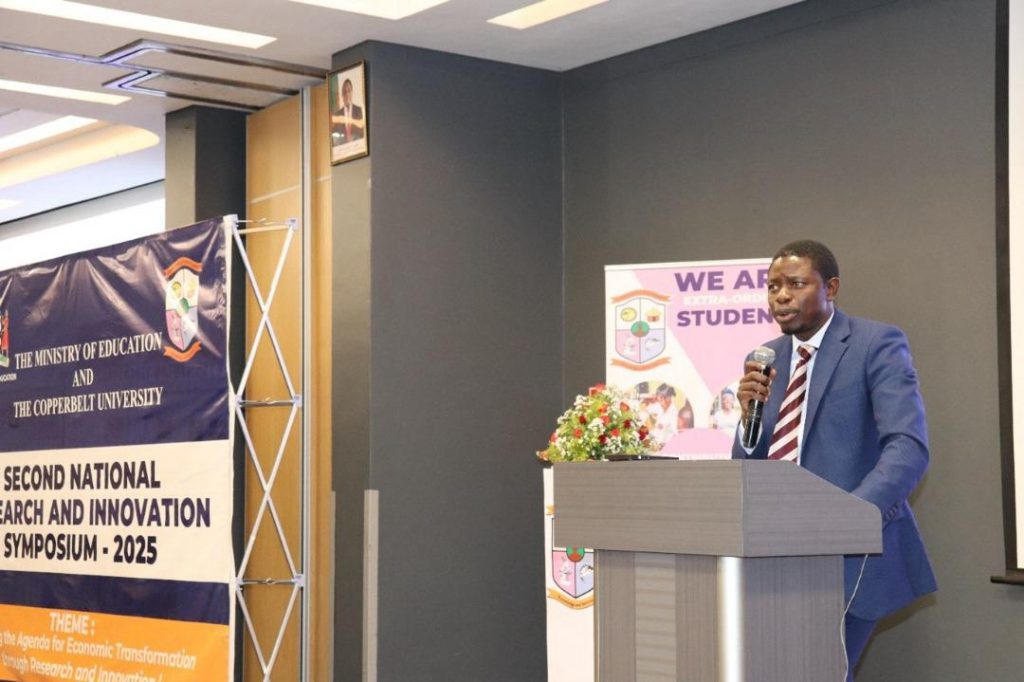
This call was made by HEA Director – Quality Assurance, Dr. Martin Mushumba, during his keynote presentation at the official opening of the 2nd National Research and Innovation Symposium being hosted at Garden Court Hotel in Kitwe by the Copperbelt University (CBU) in partnership with the Ministry of Education from 2nd to 5th December, 2025.
Dr. Mushumba highlighted that despite Zambia having 11 public universities, 62 private universities and university colleges, and 130 colleges producing thousands of graduates annually, alongside abundant natural resources, the country continues to face entrenched socio-economic challenges.
“How can a nation with expanding higher education infrastructure remain economically stagnant?” he asked. “Our GDP per capita is still around US$1,300, youth unemployment is above 24%, and most institutions produce fewer than 50 internationally recognised publications annually.”
He stressed that Zambia does not lack talent or ambition, but rather, the gap lies in the absence of strong, systematic internal quality assurance systems that can transform universities from ‘credential factories’ into ‘engines of innovation and economic transformation.’
“Quality assurance is not a bureaucratic requirement,” he emphasised. “It is the catalytic infrastructure that converts institutional potential into meaningful impact.”
Dr. Mushumba explained that quality assurance has evolved globally beyond inspections and checklists toward what is known as Transformative Quality Assurance.
“Today, leading systems embrace Transformative Quality Assurance, where quality becomes an internal culture that guides teaching, research, innovation, leadership, and resource allocation,” he said. “Without these systems, innovations remain as theses gathering dust instead of becoming products, patents, or companies.”
Drawing from global benchmarks set by the European Association for Quality Assurance in Higher Education (ENQA) and the International Network for Quality Assurance Agencies in Higher Education (INQAAHE), Dr. Mushumba outlined five essential pillars Zambia must strengthen:
- Academic Standards and Learning Outcomes: HEIs must continuously update curricula to match industry needs and national priorities.
- Research Integrity and Excellence: Strong Research Management Offices, ethical review committees, and reliable research infrastructure are essential for impactful research.
- Innovation Ecosystem Development: Ideas must be supported from classrooms to markets through Technology Transfer Offices, IP policies, incubation hubs, and start-up support.
- Governance, Leadership and Quality Culture: Transparent governance structures, performance-based funding, and a culture of continuous improvement must be prioritised.
- Resourcing and Digital Transformation: Investment in laboratories, digital repositories, high-performance computing, and academic databases such as Scopus and Elsevier must become standard.
In closing, Dr. Mushumba reminded participants that Zambia’s national development is inseparable from the strength of its higher education system.
“The quality of our universities will determine the quality of our national progress,” he said, adding that embracing transformative quality assurance could position Zambia as a regional leader in research and innovation.
“Quality assurance is the architect of excellence,” he concluded. “It is the system that turns universities into engines of national prosperity.”
The Symposium, themed ‘Setting the Agenda for Economic Transformation Through Research and Innovation’, has brought together researchers, policymakers, institutional leaders, and industry players to strengthen Zambia’s research and innovation ecosystem.
Read Dr. Mushumba’s keynote address here: https://hea.org.zm/downloads/
#HigherEducationZambia #HEAZambia
 Dr. Mushumba during the Presentation at the 2nd National Research and Innovation Symposium in Kitwe